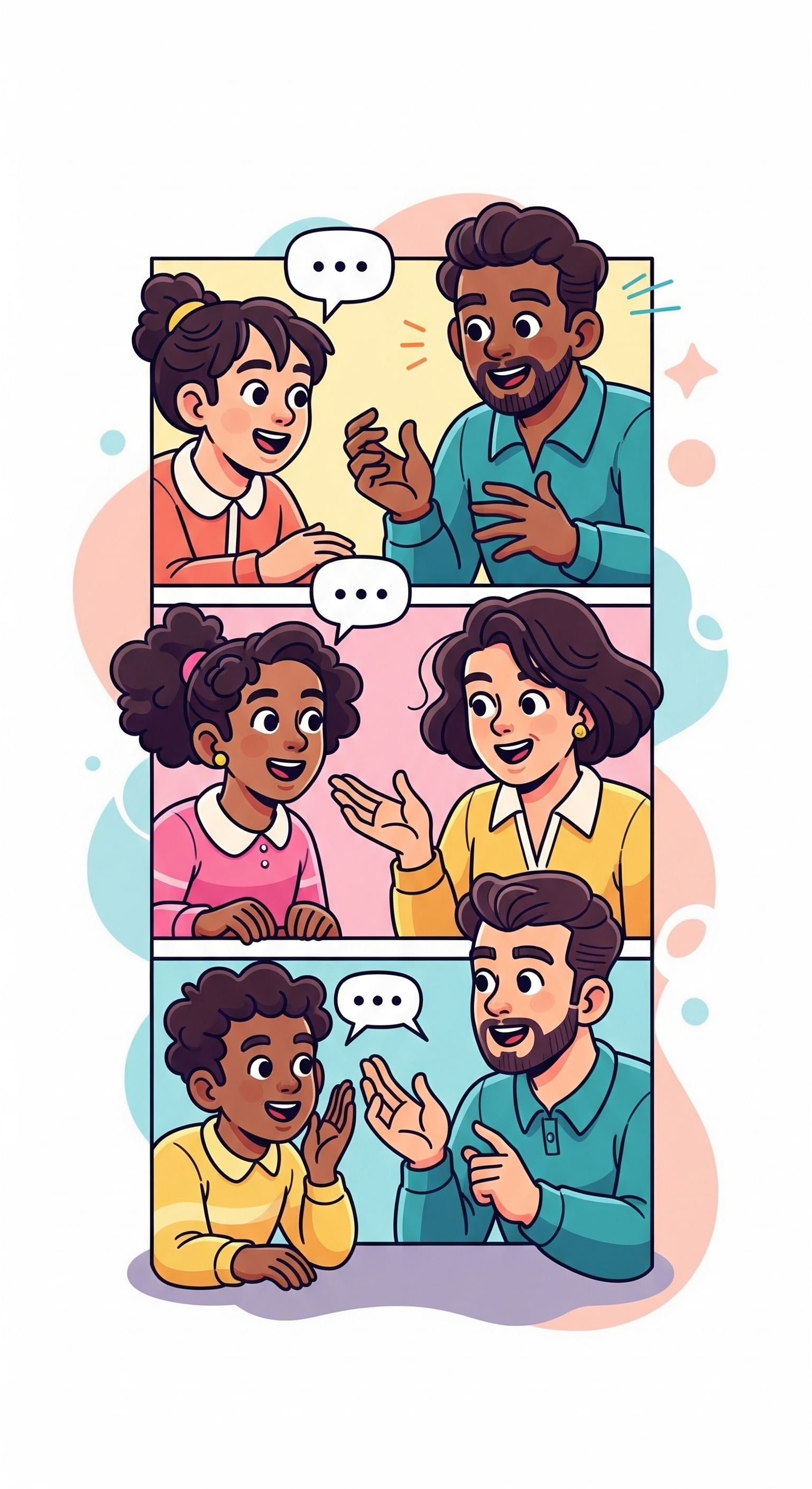
Intelligence isn't limited to a single skill or way of thinking. Each person has different abilities and talents that make them unique.
Recognizing these diverse forms of intelligence helps us better value and understand our strengths and those of others.
In 1983, psychologist Howard Gardner proposed the theory of multiple intelligences, questioning the idea that intelligence is limited to linguistic and logical-mathematical aspects.
Knowing your intelligence type allows you to discover what you're truly good at. By identifying your strengths, you can learn more effectively,
develop your talents, and better understand your way of thinking, feeling, and acting.
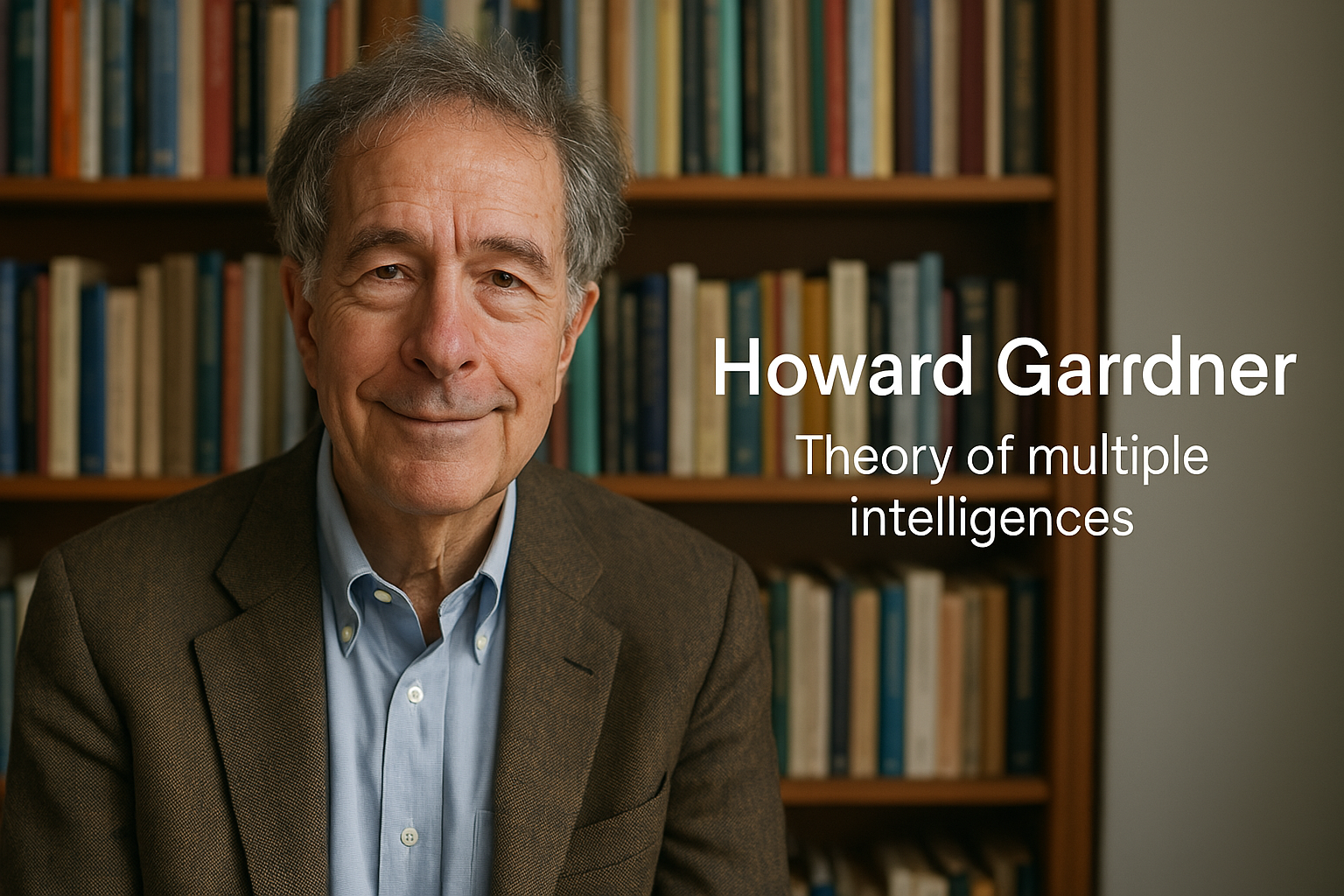
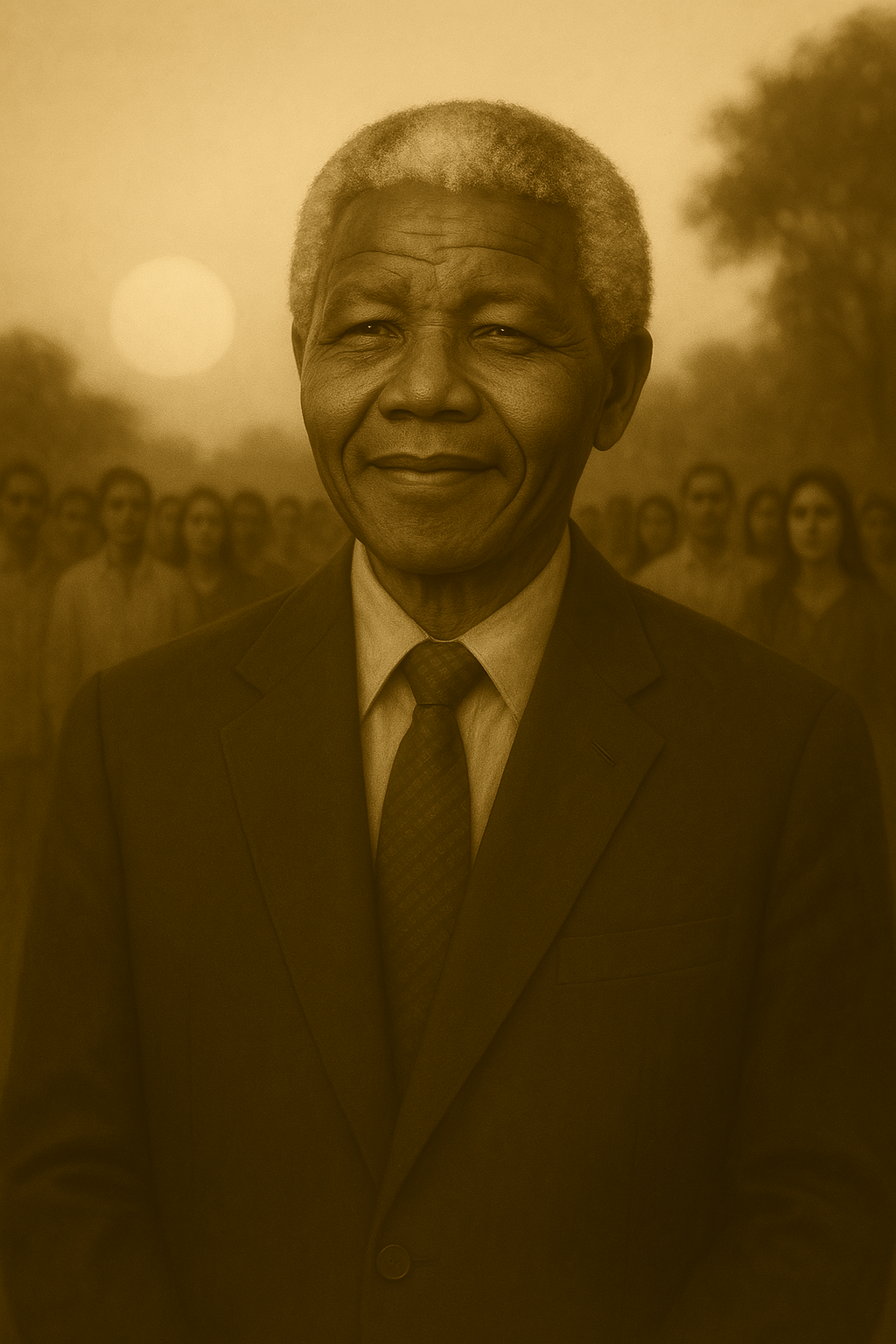
Howard Gardner,
a psychologist and professor at Harvard University,
developed the theory of nine multiple intelligences.
In 1983, Gardner proposed this theory
in his book "Frames of Mind:
The Theory of Multiple Intelligences,"
in which he challenged the idea that intelligence
is measured with intelligence quotient (IQ) tests.
He observed that many people who did not excel in those
areas were very talented in others. This led him to ask:
"Why do we limit the concept of intelligence
only to what can be measured with a test?"
Gardner proposed that human intelligence is much more
complex and diverse, and that there are different ways of being intelligent.
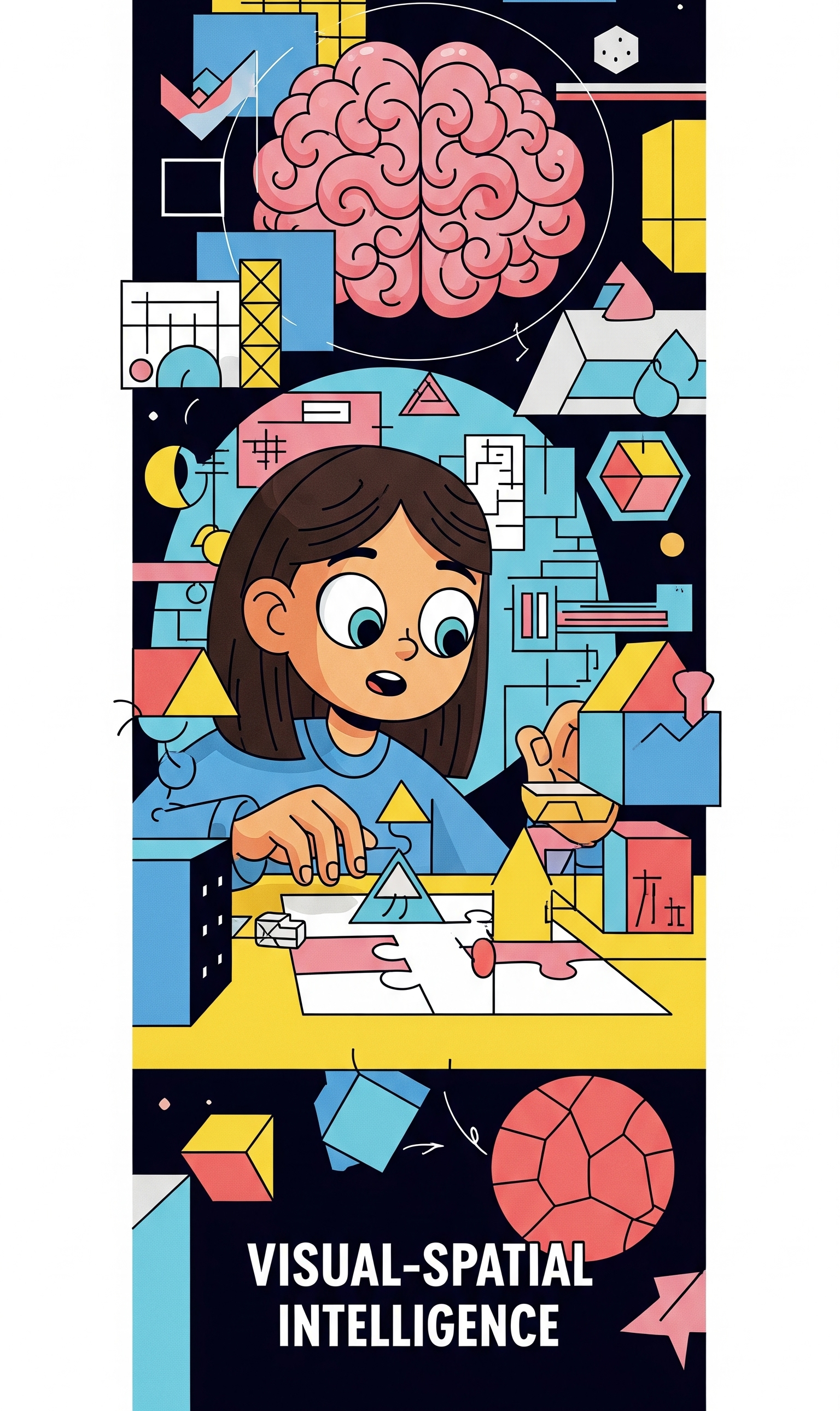
It is the ability to think in images, visualize objects from different angles, and create visual compositions. People with this intelligence tend to have good spatial orientation and an appreciation for art, design, or architecture.
can be developed with drawing, photography, graphic design, maps and visual puzzles.
Representative characters: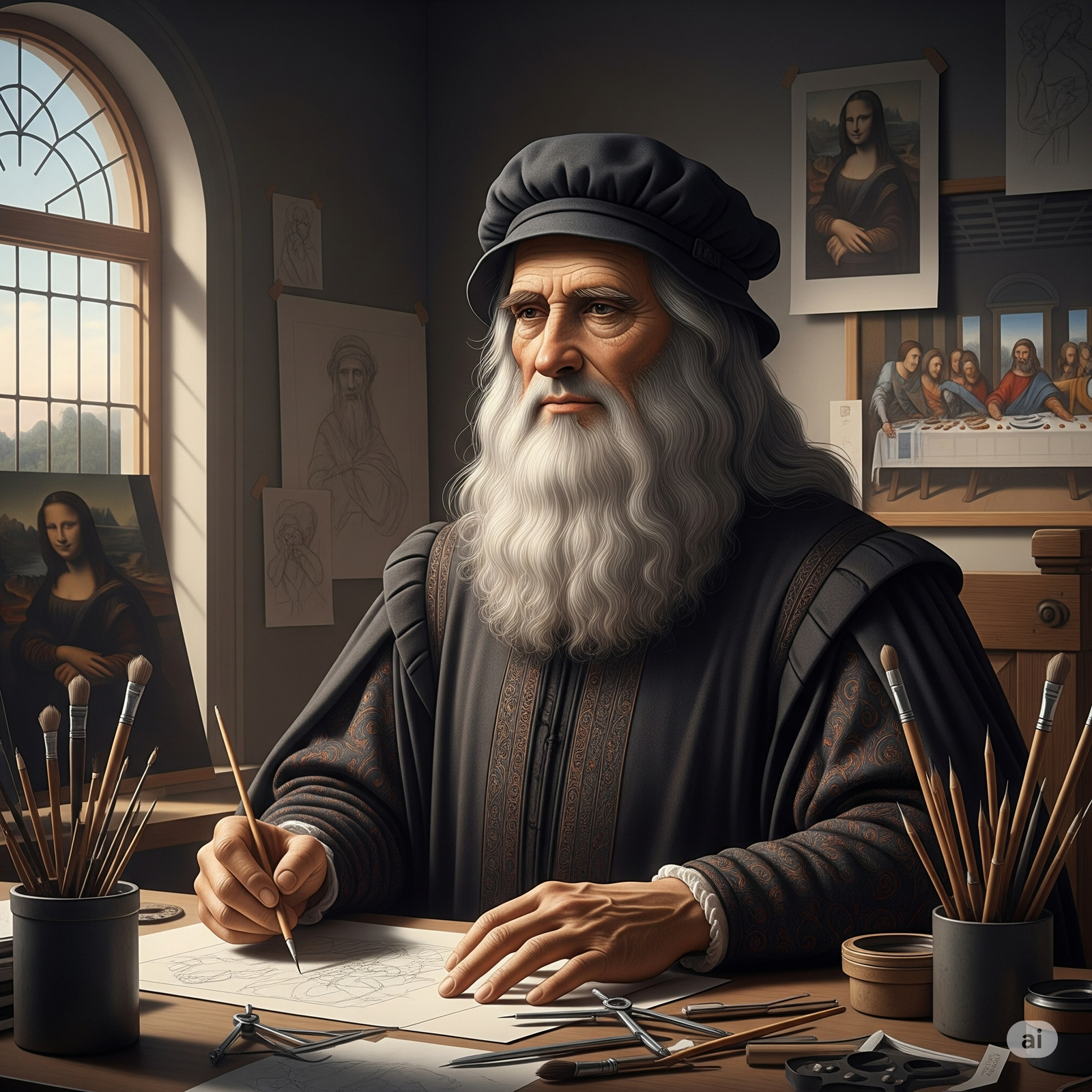


It is the ability to observe, understand, classify, and work with elements of the natural environment such as plants, animals, rocks, weather, etc. People with this intelligence tend to love nature and care about the environment.
can be developed observing nature, doing outdoor activities, caring for plants or animals, studying biology or ecology.
Representative characters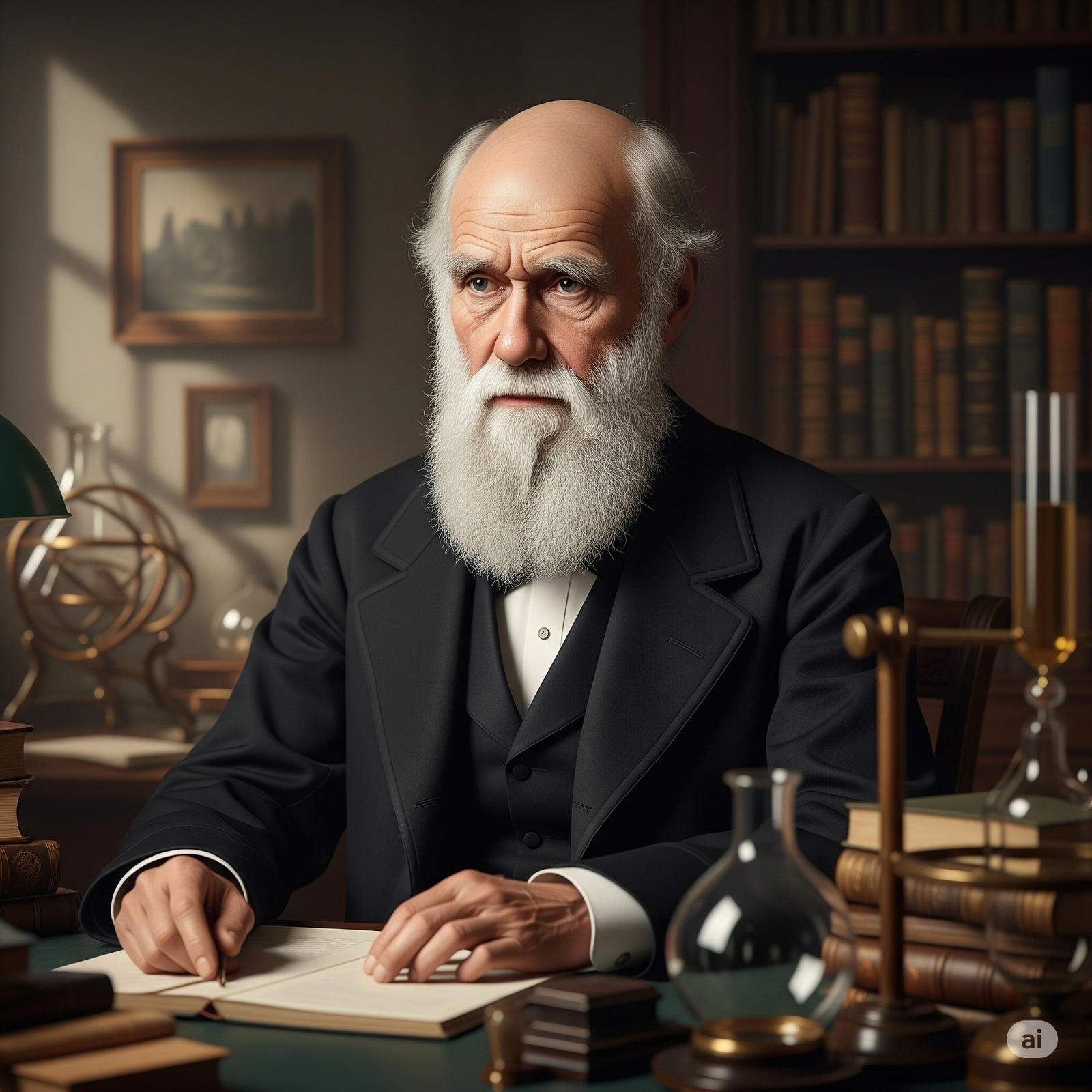

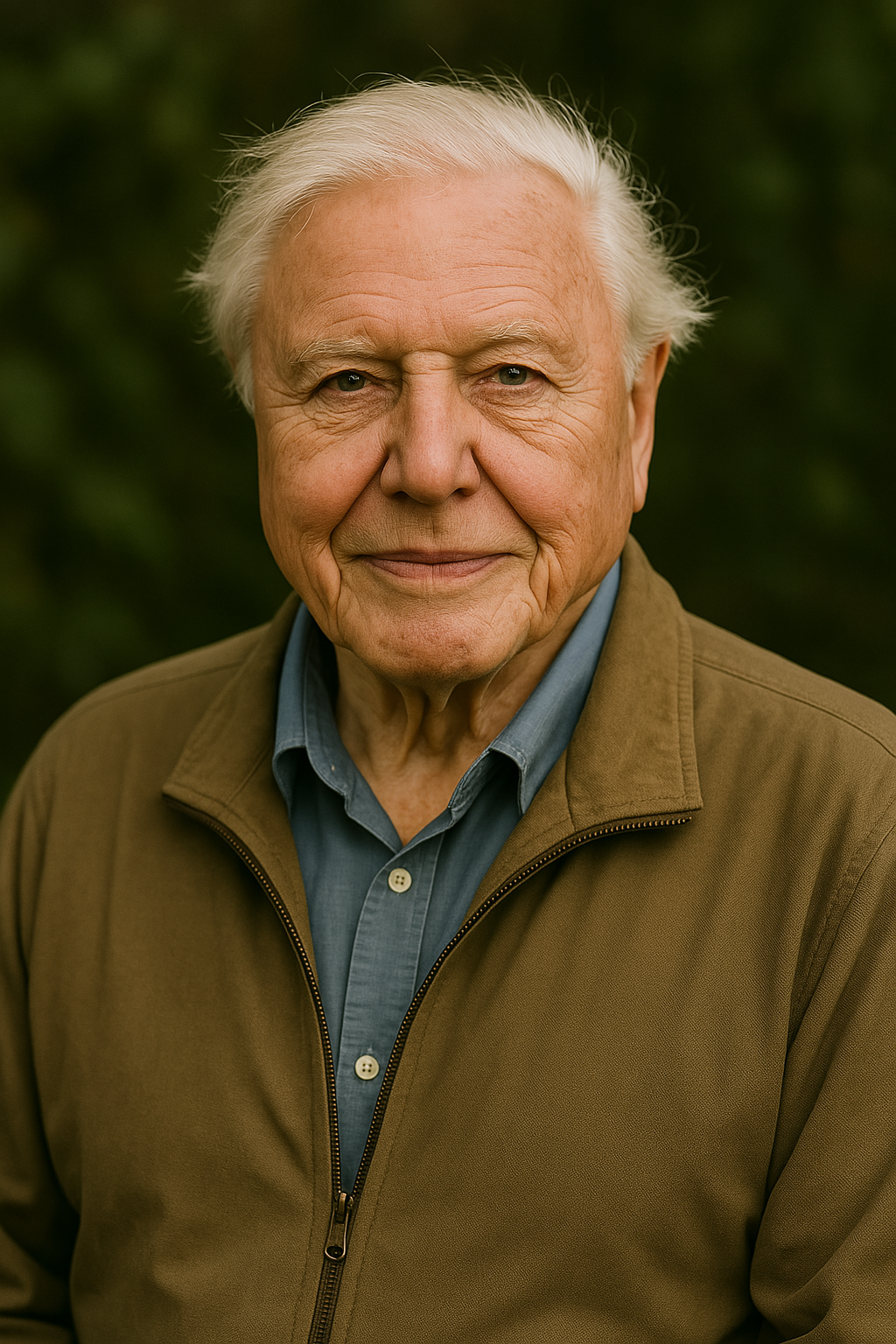
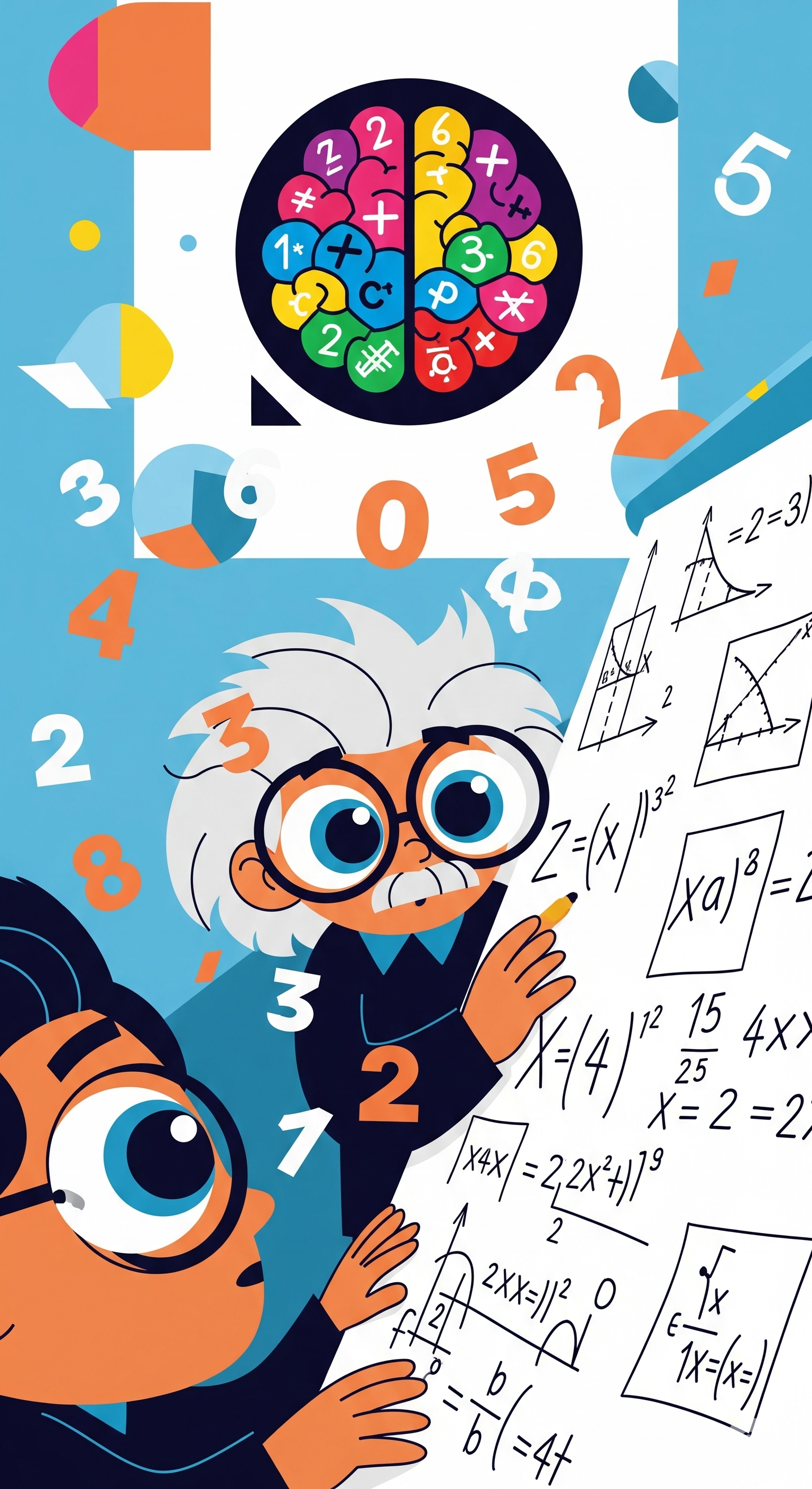
It is the ability to think logically, solve mathematical problems, identify patterns, and work with abstract concepts. People with this intelligence often enjoy numbers, reasoning, and puzzles. It is seen in scientists, engineers, mathematicians, and programmers.
can be developed solving logic exercises, playing chess, conducting experiments or studying mathematics. Representative characters: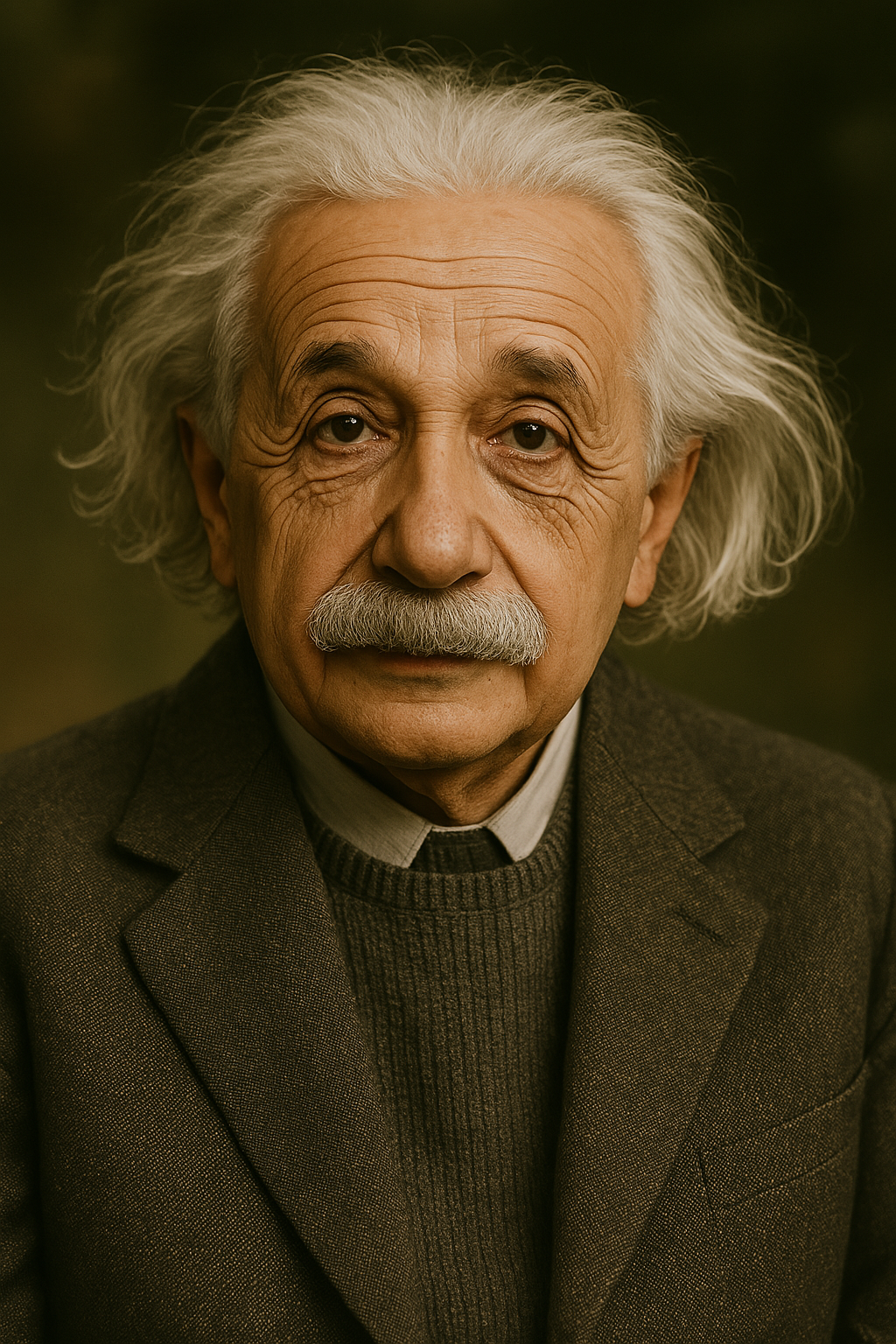
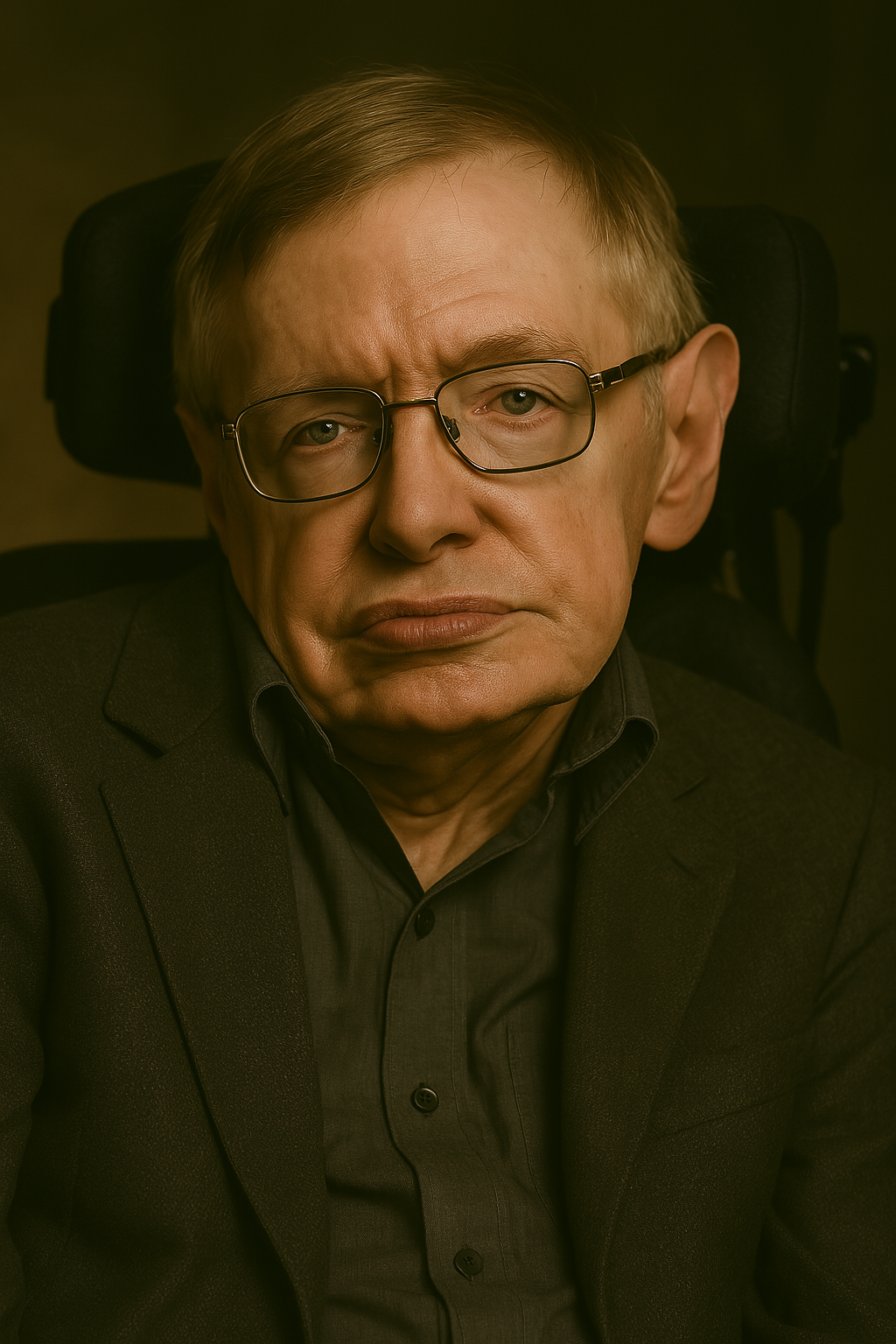
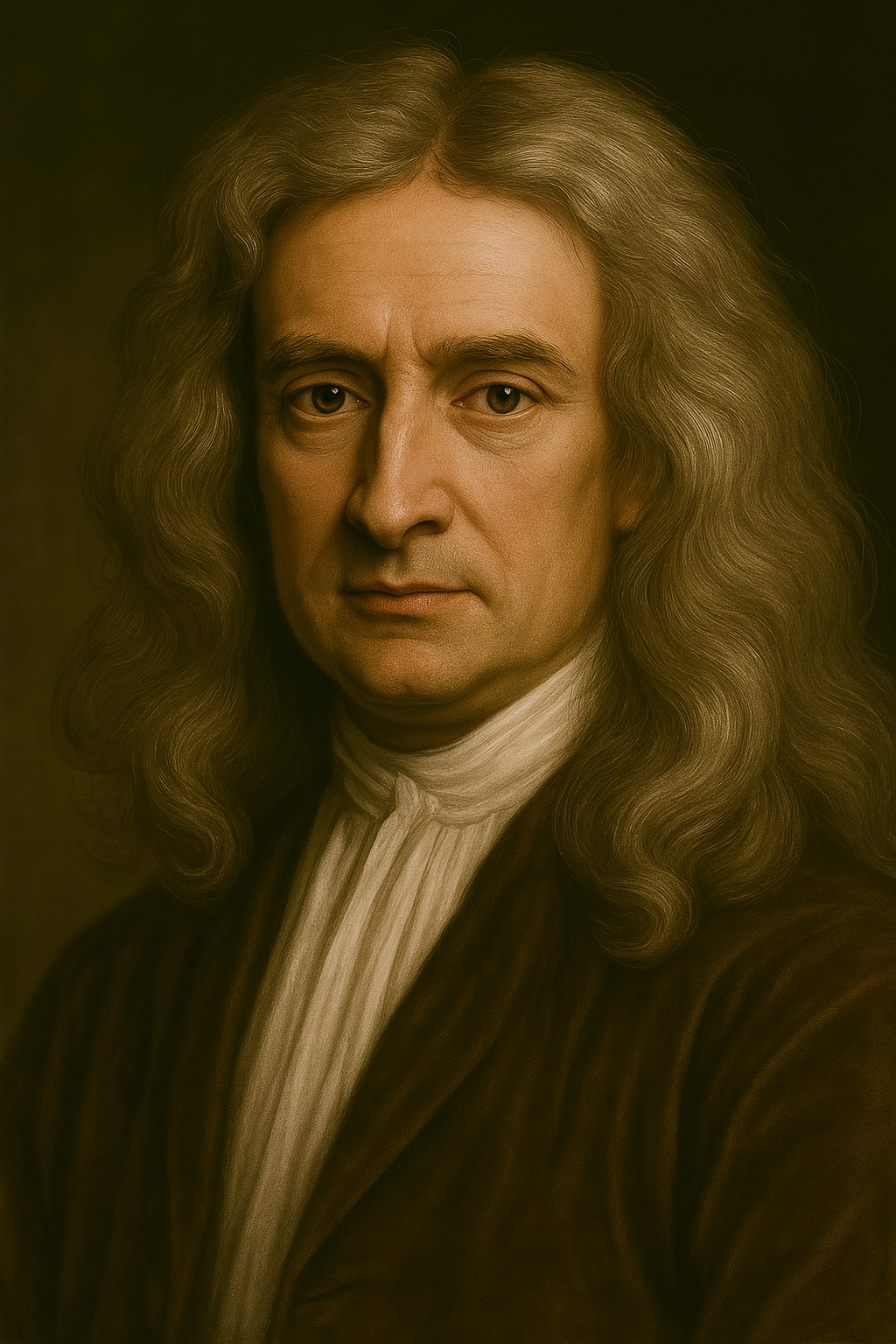
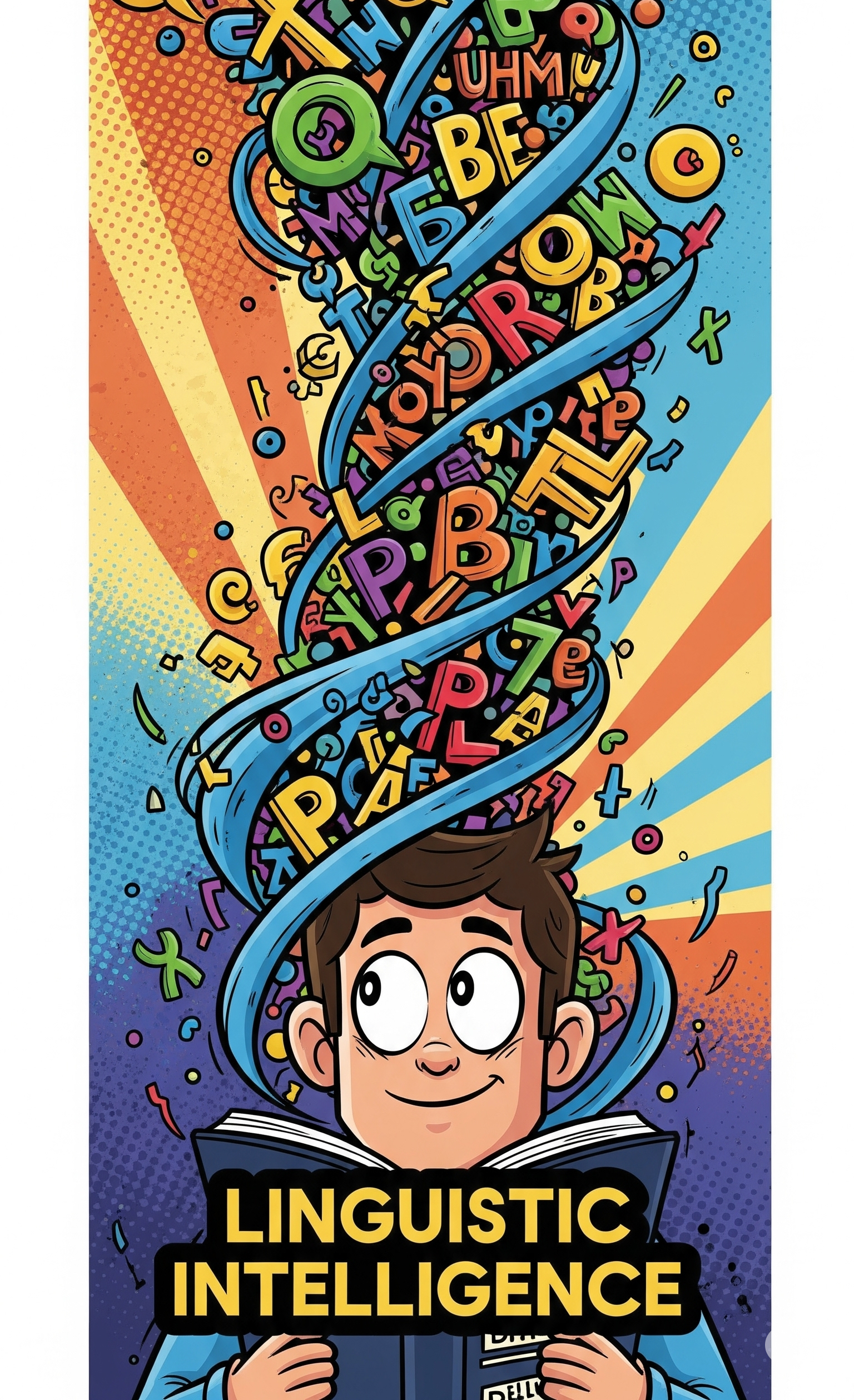
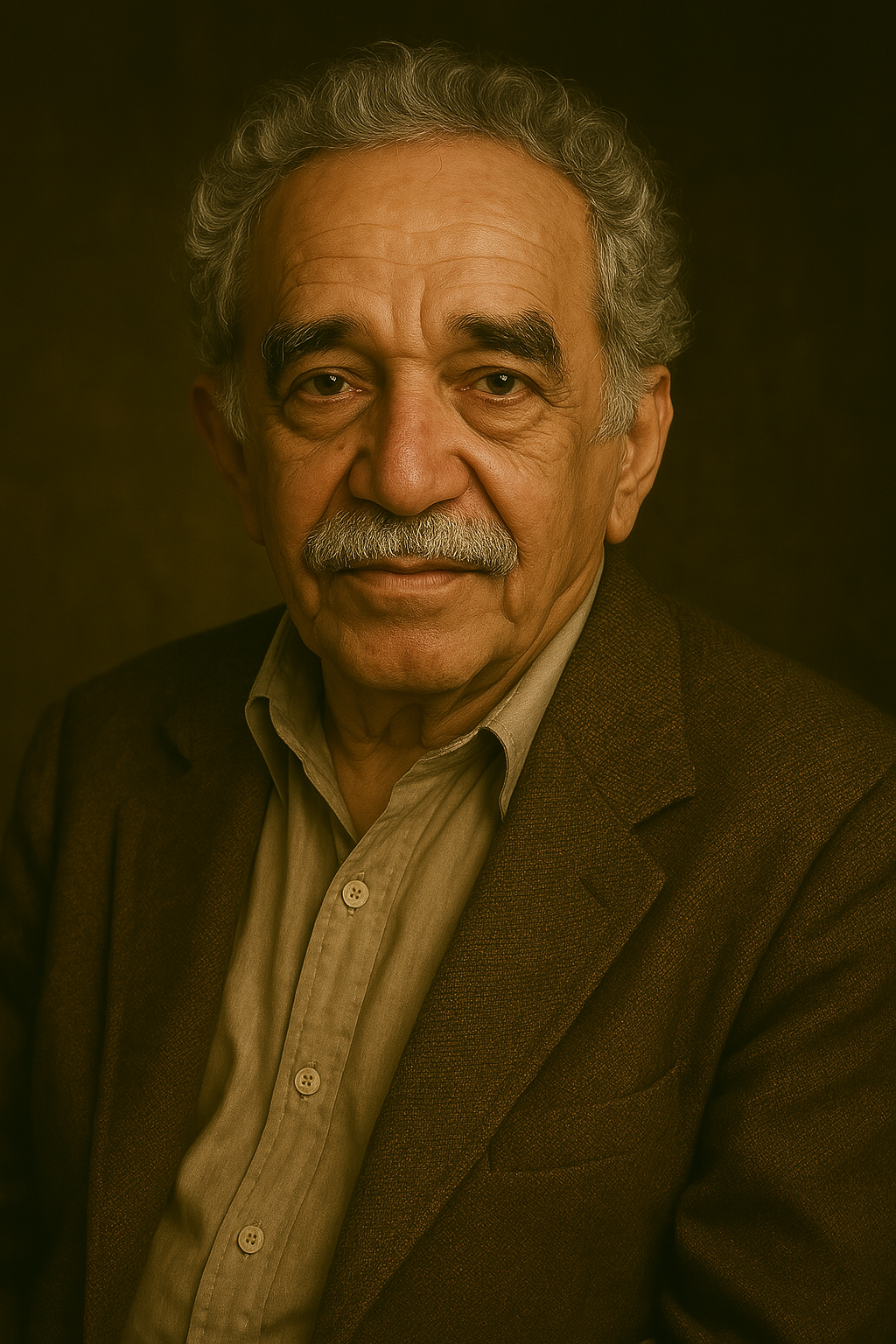
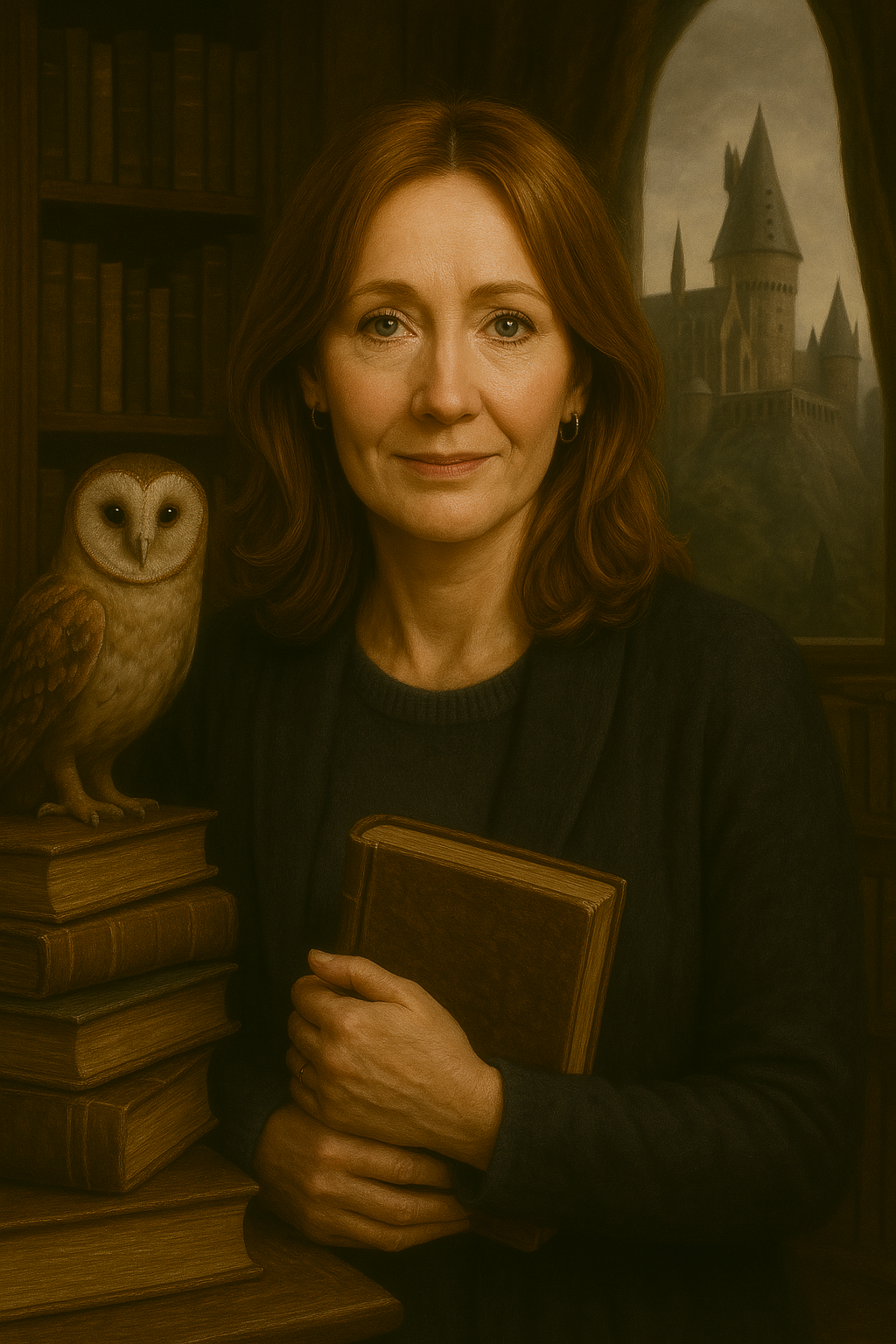
It is the ability to use language effectively, both in speaking and writing. People with this intelligence have a knack for expressing themselves, reading, writing, telling stories, memorizing words or phrases, and learning languages. It excels among journalists, writers, public speakers, and lawyers.
can be developedreading books, writing stories, participating in debates or learning languages.
Representative characters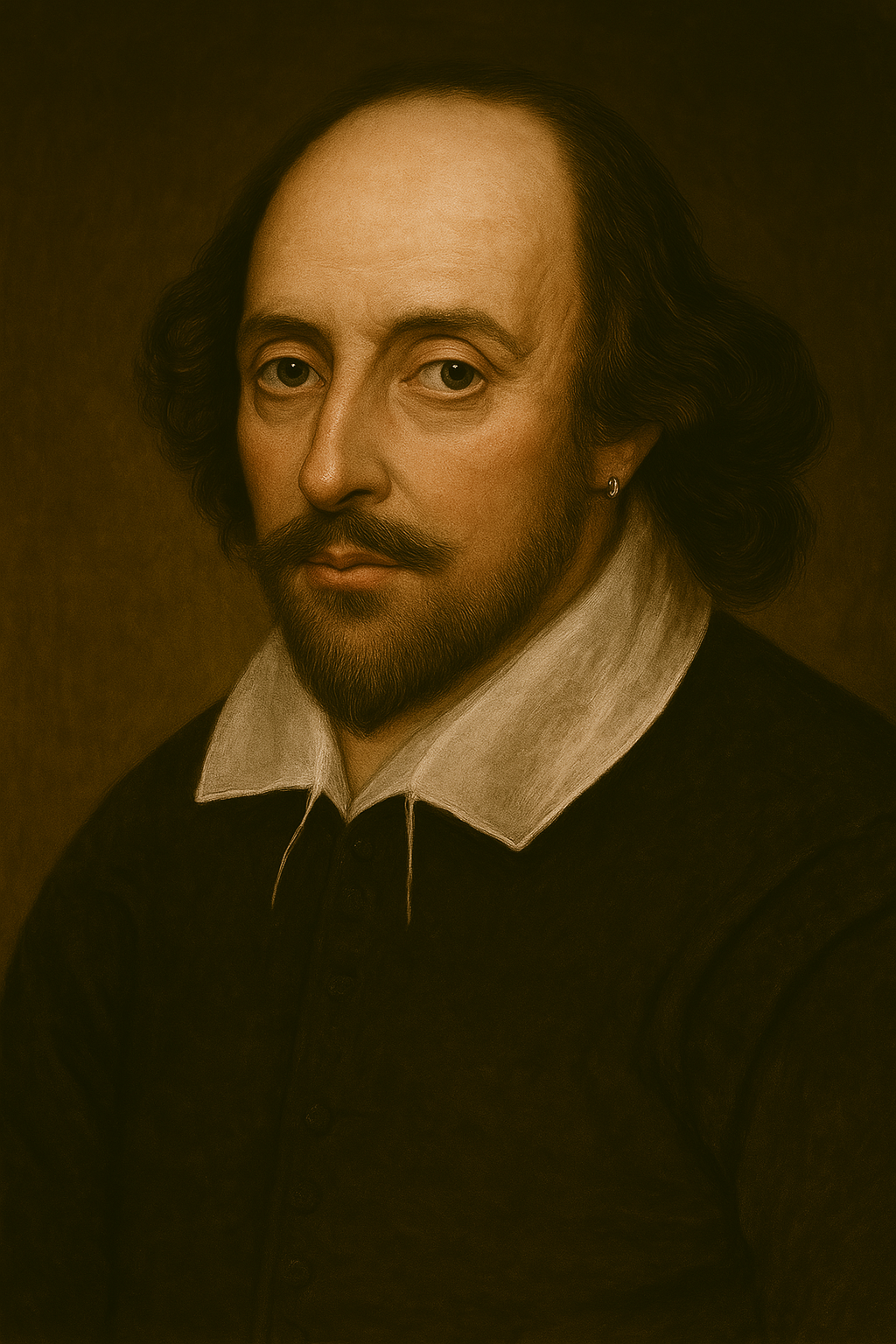
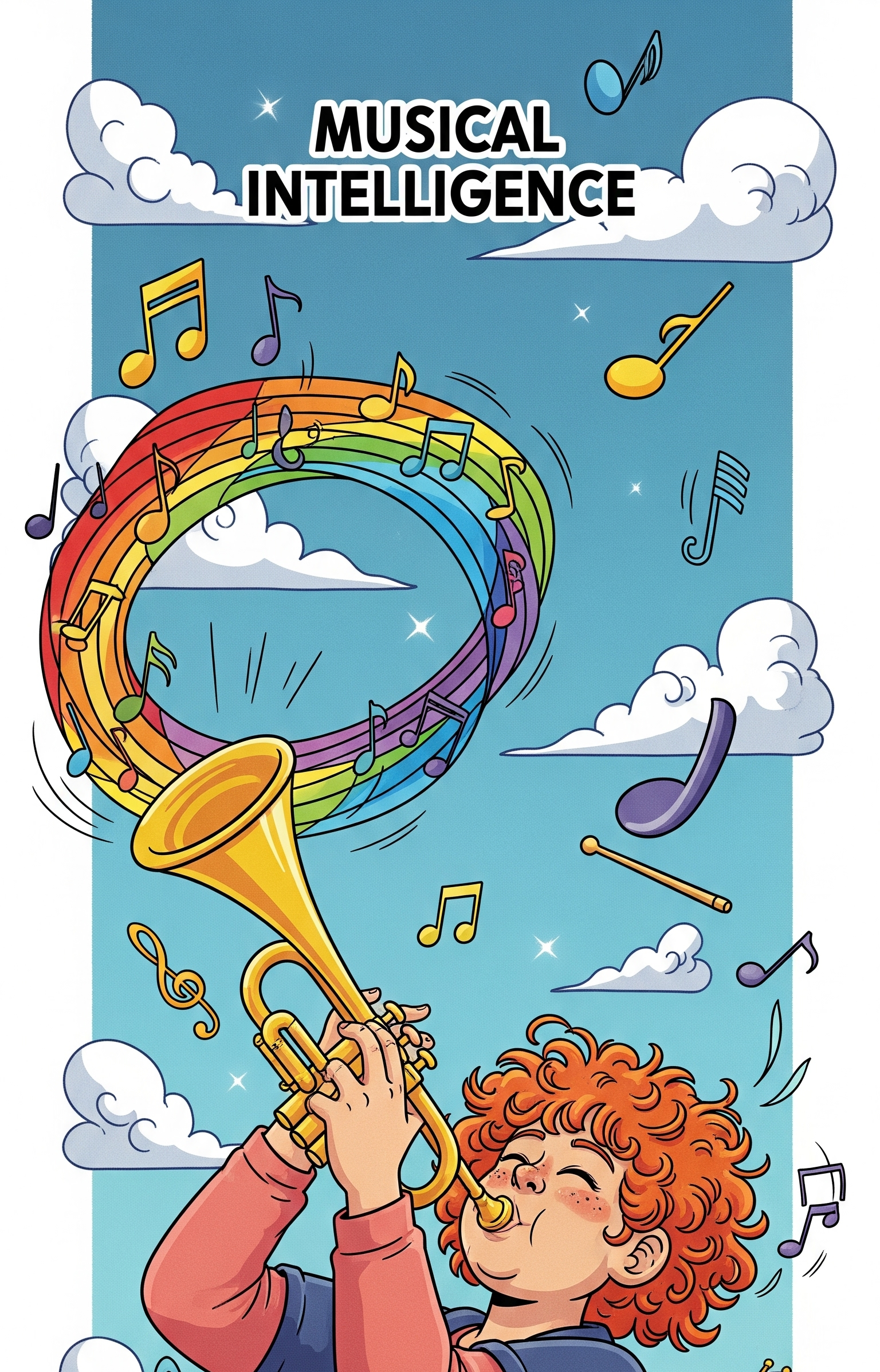
It is the ability to perceive, distinguish, transform, and express musical sounds. People with this intelligence are sensitive to rhythm, melody, and pitch. They easily learn to play instruments or recognize musical patterns.
can be developedlistening to music, playing instruments, singing or composing.
Representative characters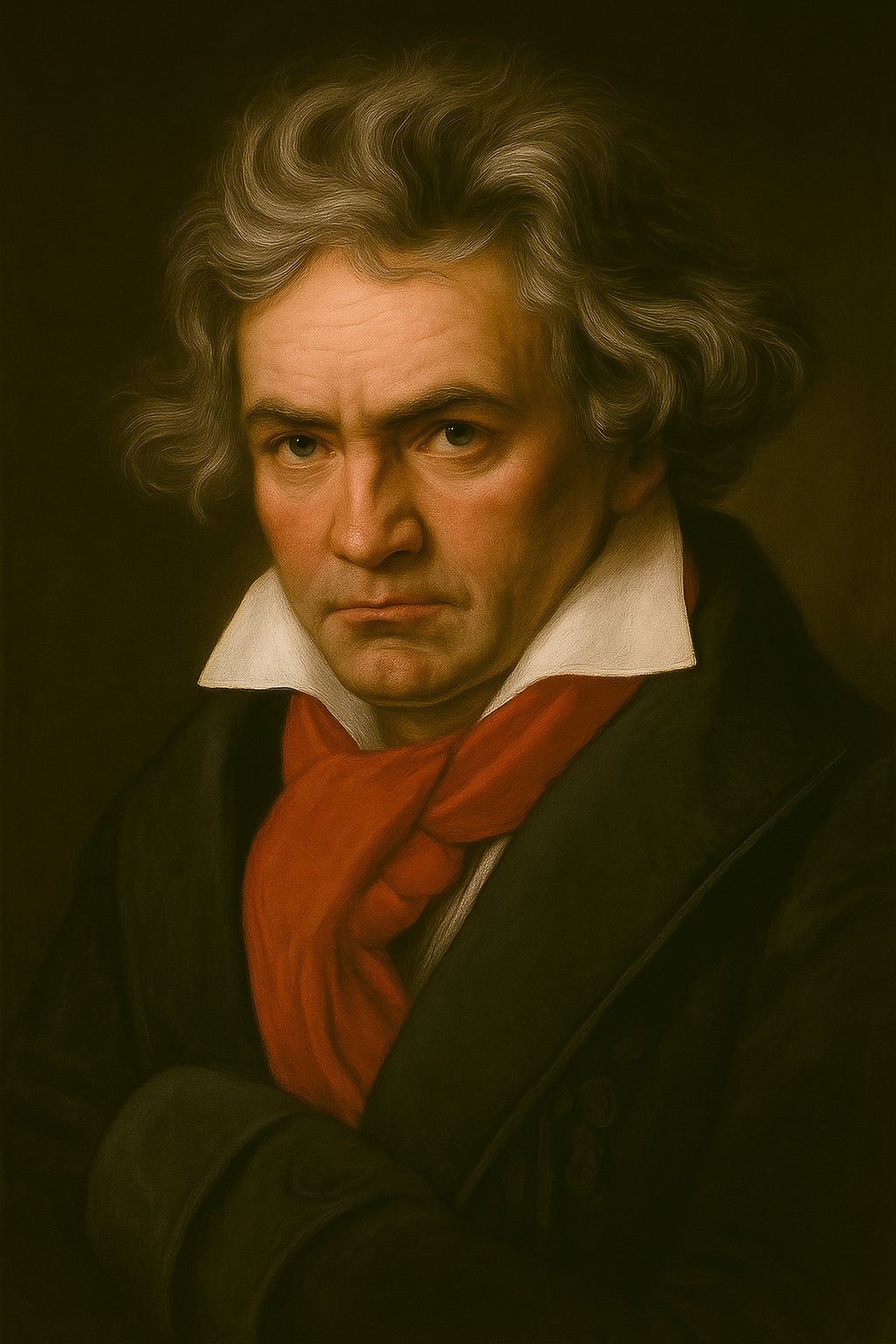


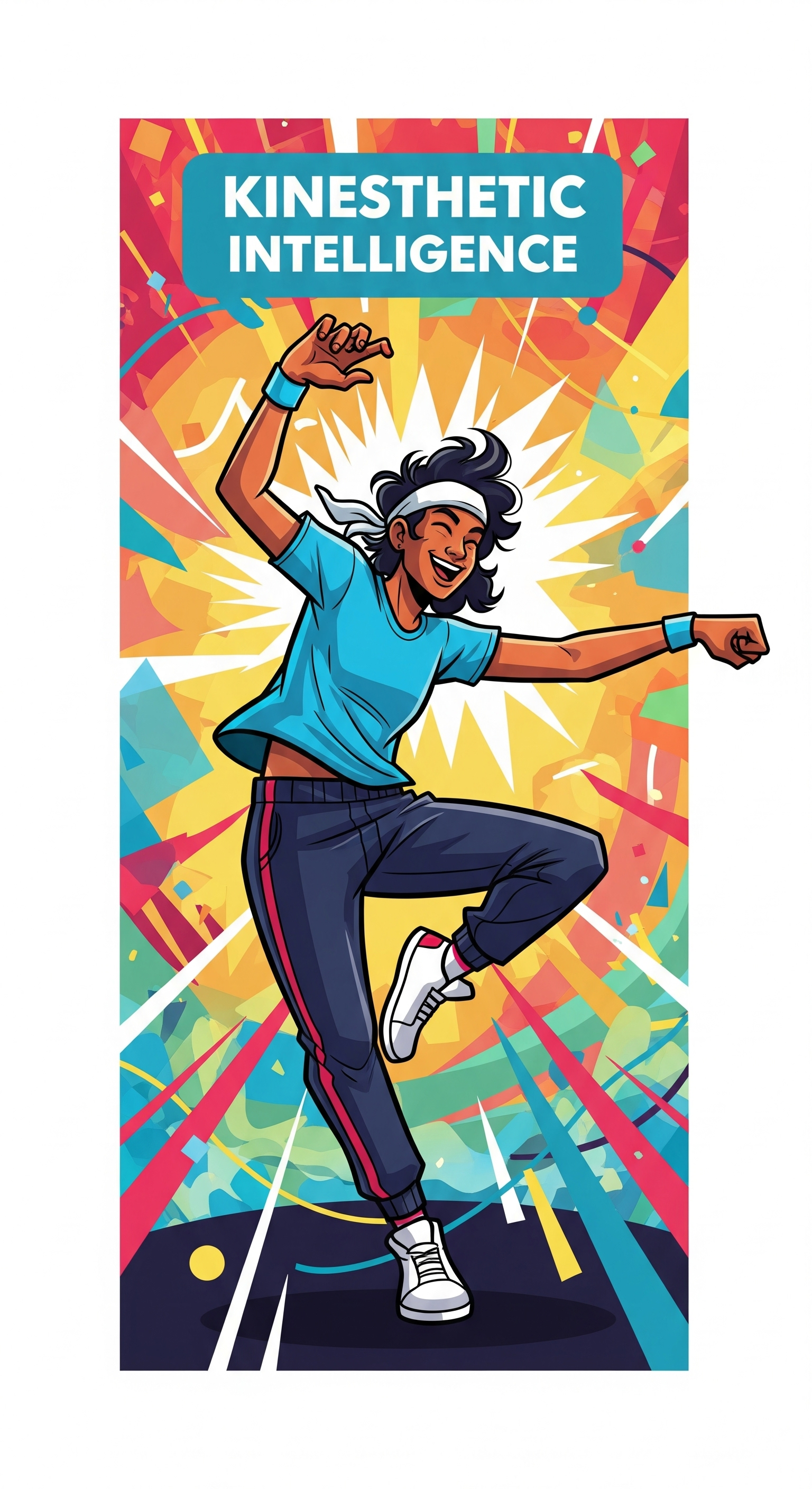
It is the ability to use the body in a controlled and coordinated manner to express emotions, solve problems, or create things. It is found in athletes, dancers, actors, surgeons, and artisans.
can be developedpracticing sports, dancing, theater, martial arts or crafts.
Representative characters


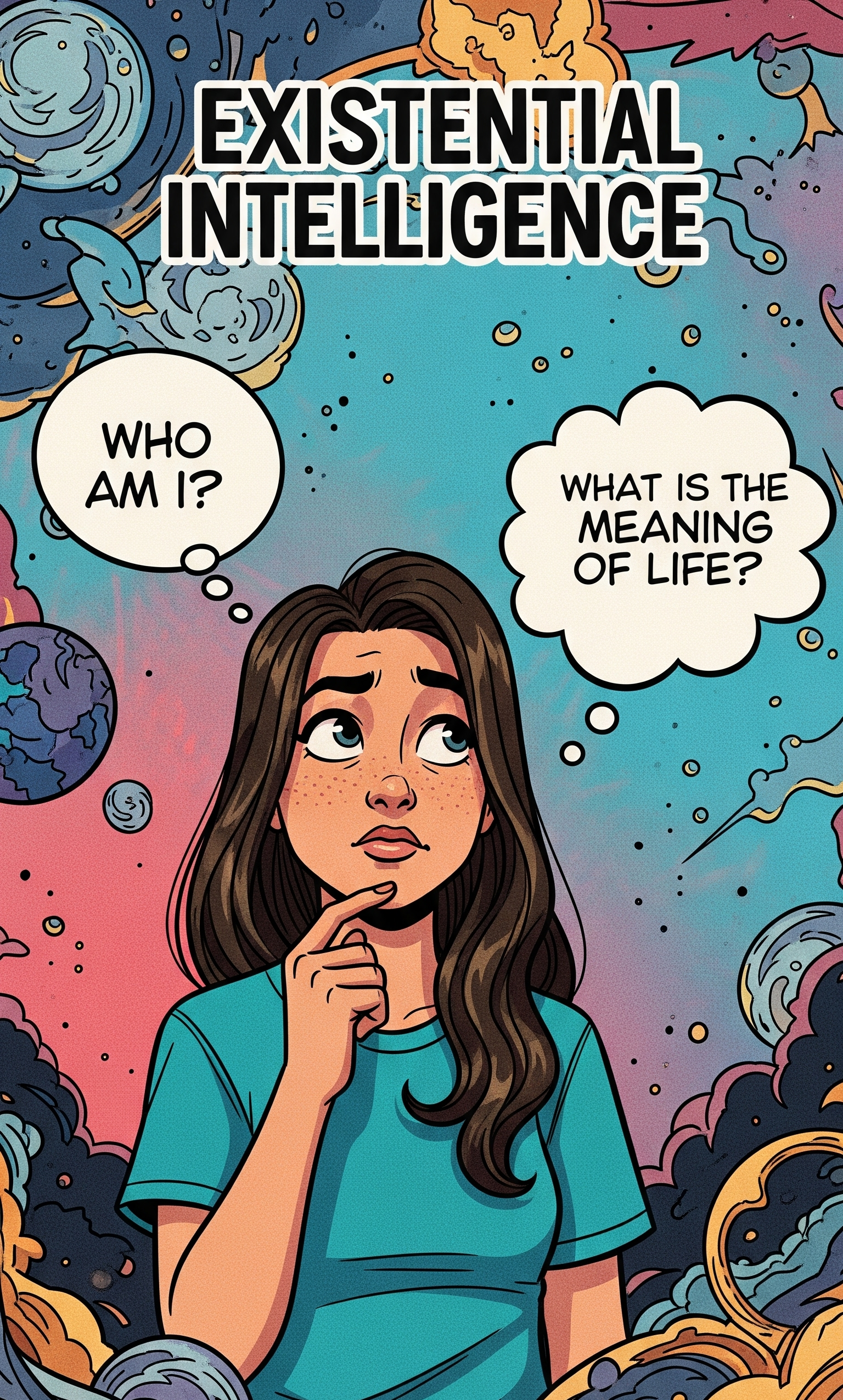
Existential intelligence is the ability to ask profound questions about human existence, the meaning of life, death, the universe, spirituality, and transcendence. People with this intelligence tend to reflect on philosophical, spiritual, or religious themes. They question the whys and wherefores of things beyond the obvious and seek to understand their place in the world.
can be developed reading philosophy, practicing meditation, attending ethical debates, discussing profound topics, or studying religion and cosmology.
Representative characters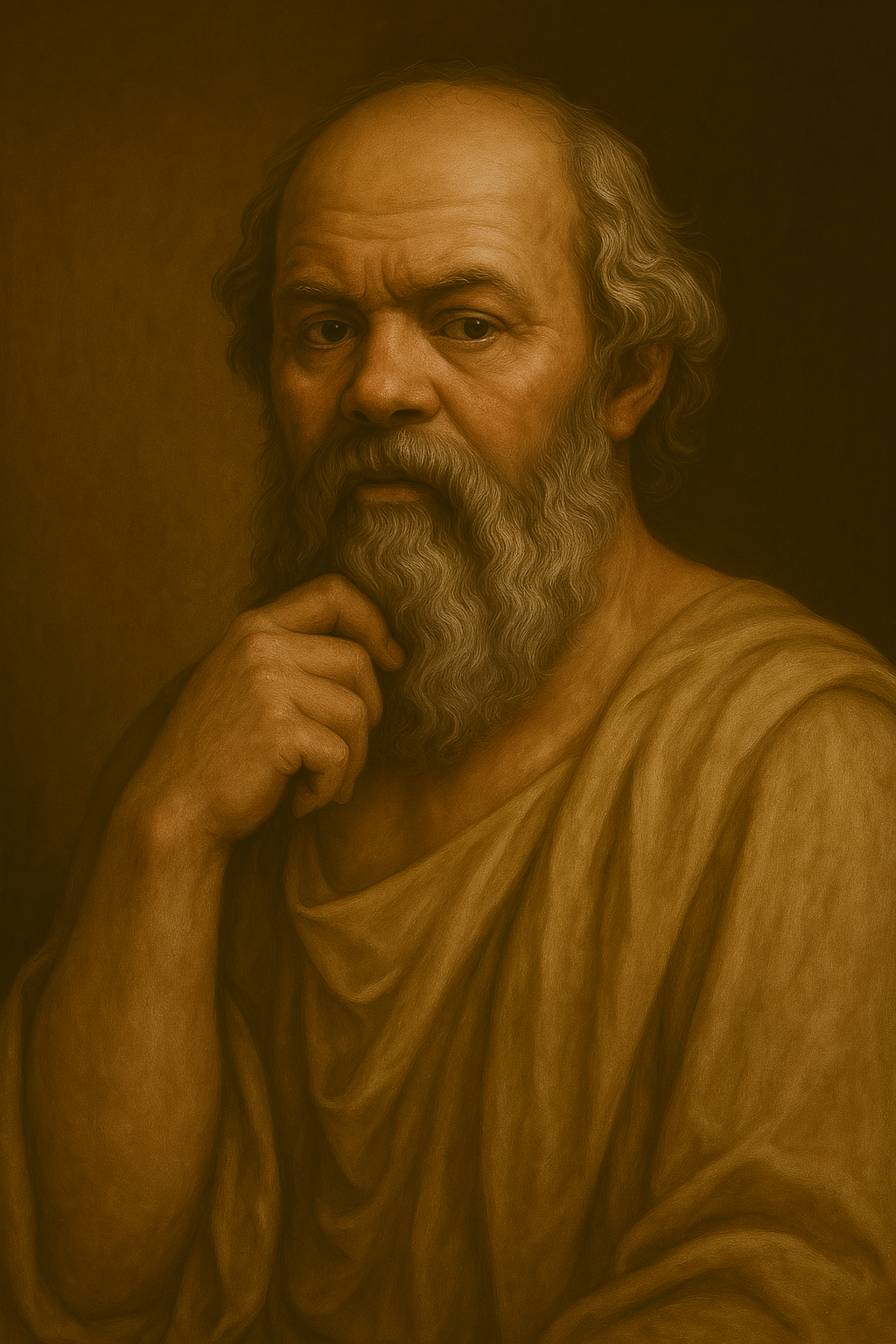
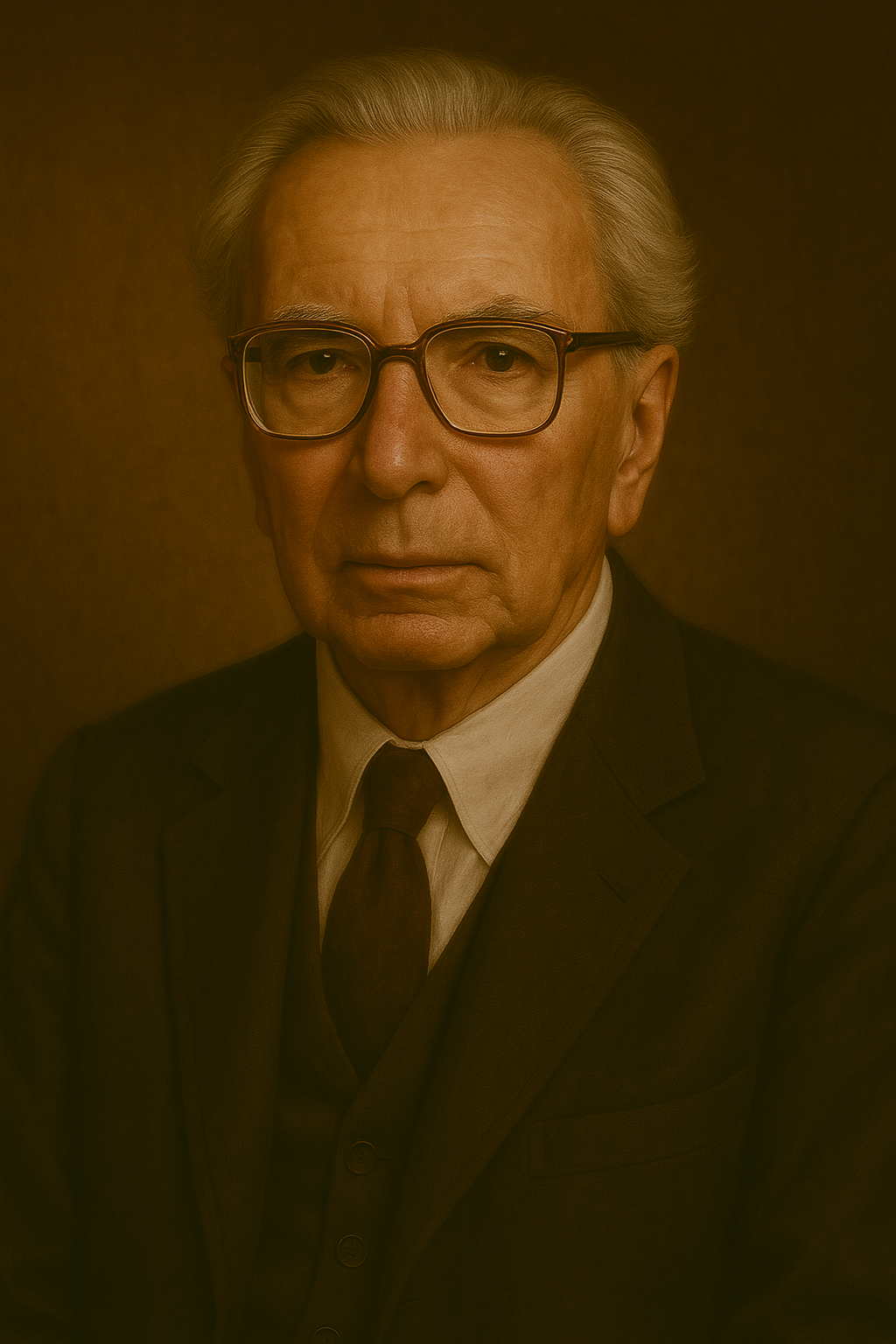
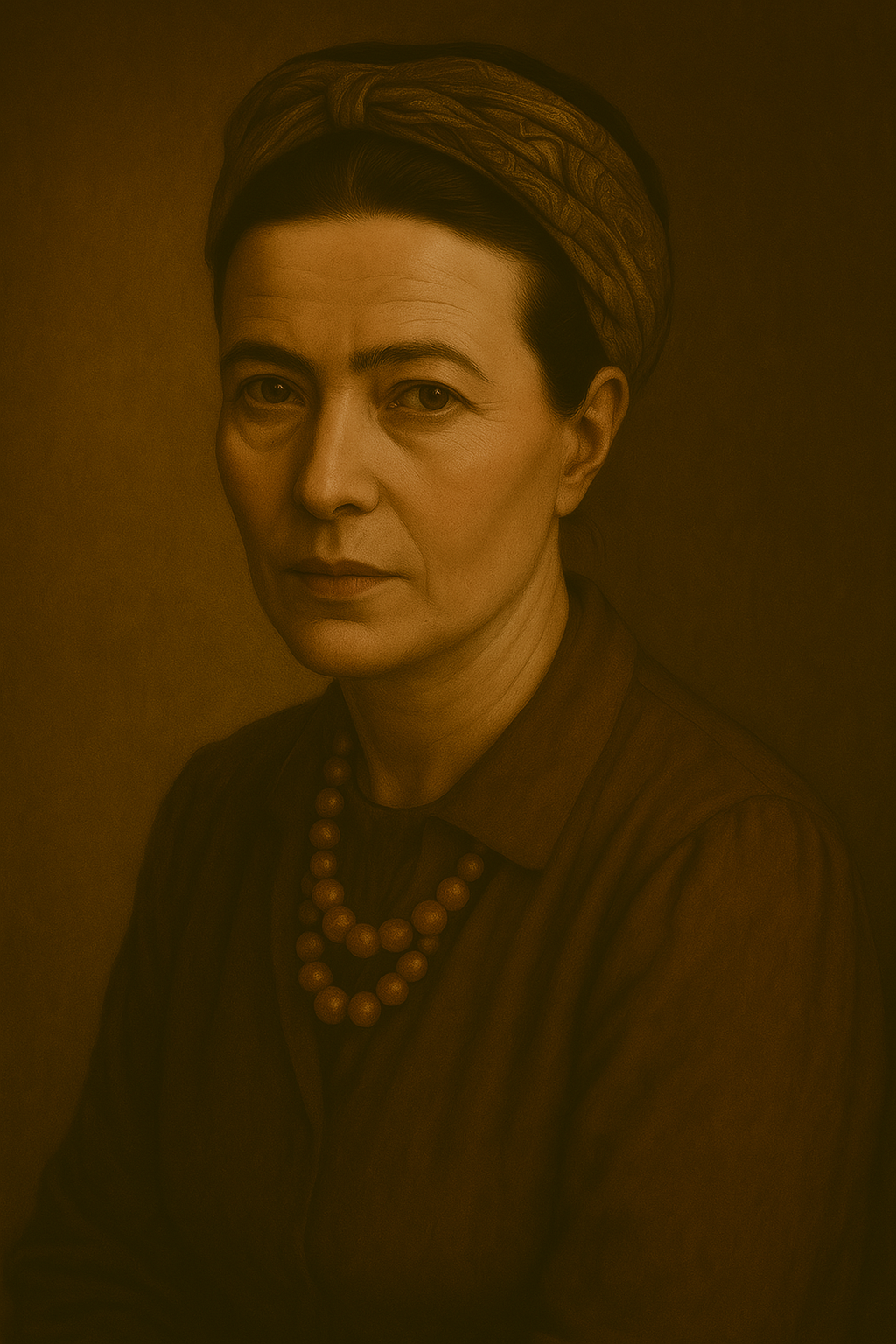
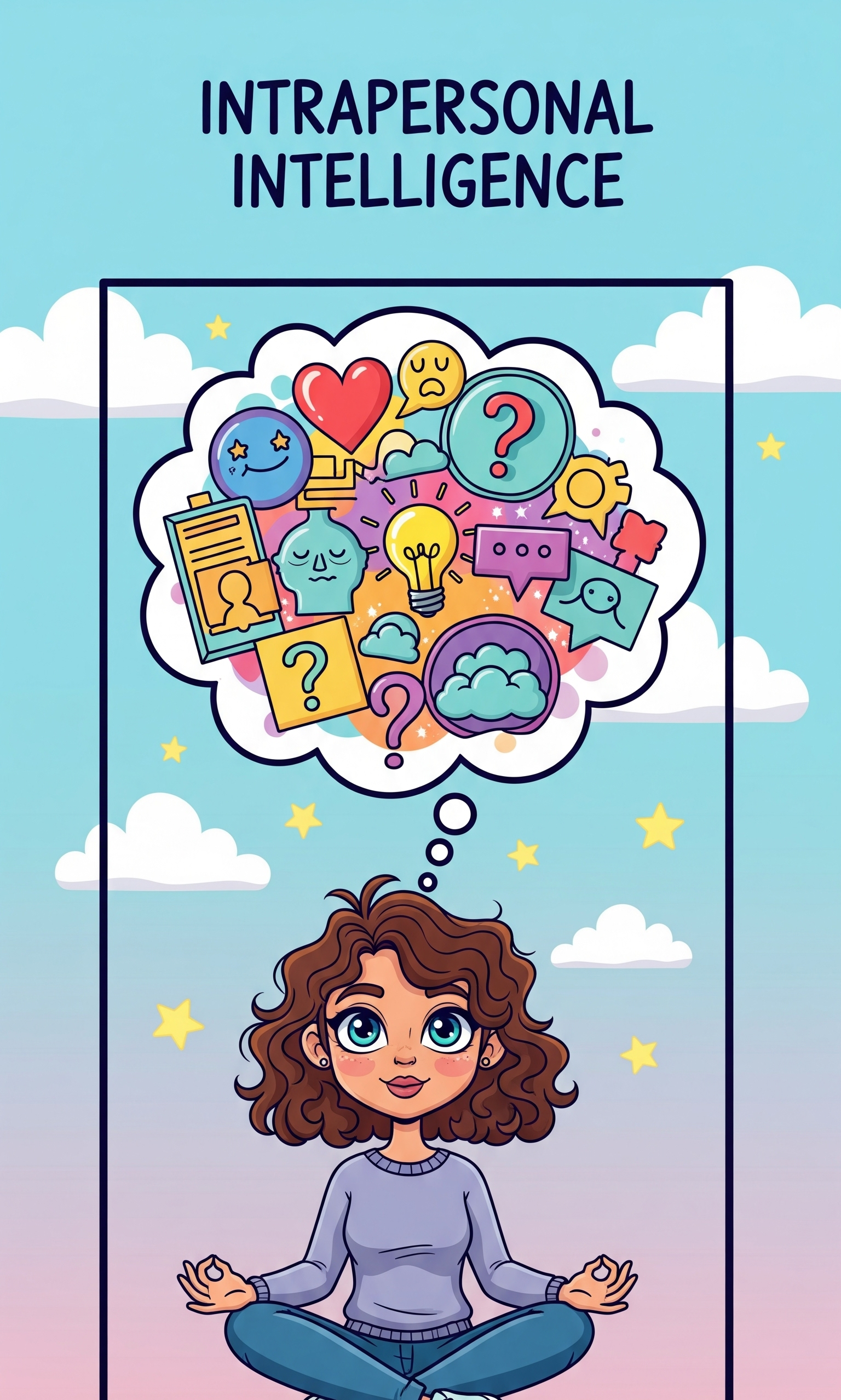
It is the ability to understand oneself: identifying emotions, thoughts, goals, and strengths. People with this intelligence tend to be introspective, reflective, and aware of their personal development.
can be developed through meditation, journal writing, goal setting, and self-assessment.
Representative characters:

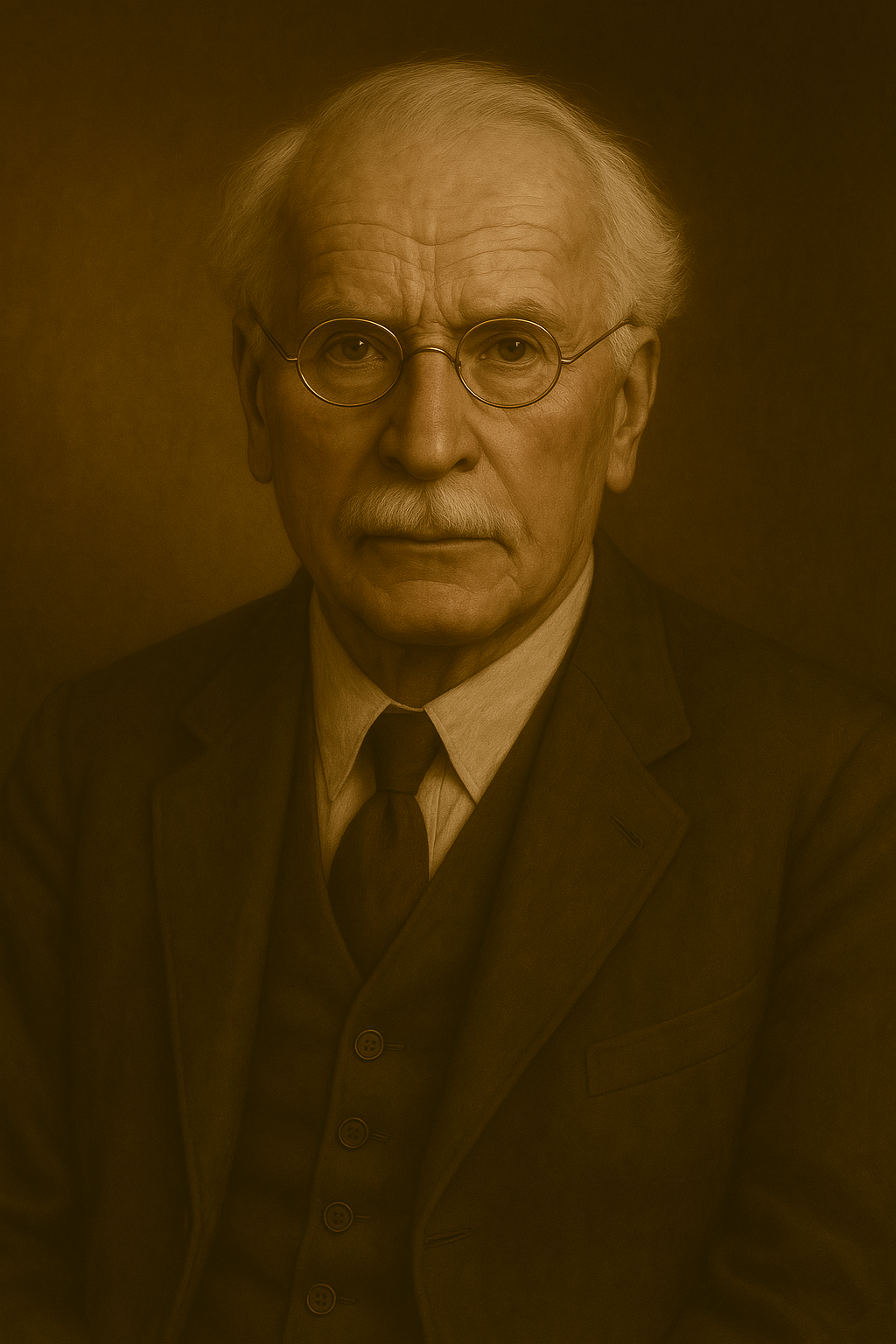
It is the ability to understand other people, read their emotions, motivations, and intentions, and relate effectively to them. People with this intelligence are empathetic, good at working in groups, and resolving conflicts.
can be developed participating in groups, doing collaborative work, actively listening and developing leadership.
Representative characters